Widows and Orphans Empowerment Organization in Nigeria
Discover how a widows and orphans empowerment organization in Nigeria can support livelihoods, education and stronger families—and how you can help.
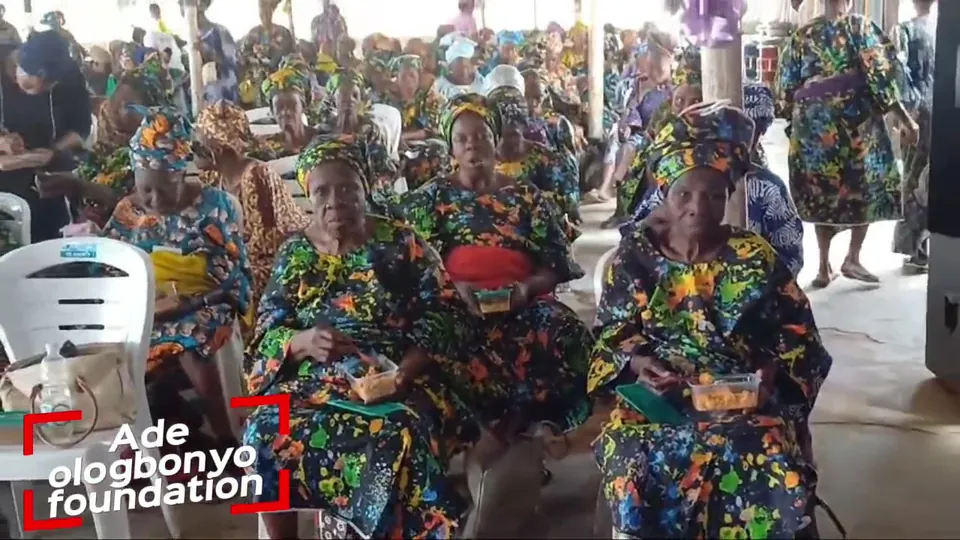
Losing a spouse or parent can change a family’s future overnight. Alongside grief, families may face the loss of household income, interrupted education and uncertainty about meeting everyday needs.
A widows and orphans empowerment organization in Nigeria can help families navigate these challenges by connecting immediate assistance with opportunities for lasting stability. Meaningful support begins with listening to each family and understanding what will help them move forward.
For a widow, that might mean learning a trade or rebuilding an existing business. For a child who has lost a parent, it might mean school materials, educational support and a dependable network of caring adults.
Empowerment should help people make decisions, develop their abilities and build a more secure future.
Why Widows and Orphans Need Support in Nigeria
Bereavement affects every household differently. Some families have relatives, savings or reliable employment to help them cope. Others face difficult choices between food, accommodation, healthcare and school expenses.
Children already experiencing hardship may face additional barriers after losing a parent. Nigeria’s situation analysis of children and adolescents identifies persistent challenges involving poverty, access to quality education, nutrition and protection. These overlapping needs show why family support requires a coordinated approach. Read the UNICEF Nigeria report.
Widows may also need help rebuilding confidence, finding suitable work and managing new responsibilities. Effective assistance respects their experience and includes them in decisions about the support they receive.
What Does Widows and Orphans Empowerment Involve?
Empowerment combines practical resources with the skills, relationships and follow-up needed to use them well. Programmes should respond to real household needs and the opportunities available within each community.
Skills Acquisition and Livelihood Support for Widows
Vocational training can help widows develop an income source that fits their interests, responsibilities and local market.
Depending on demand, training could include tailoring, catering, hairdressing, food processing, agriculture or digital services. However, choosing the right skill matters as much as providing the training.
Before starting a programme, useful questions include:
- Is there demand for this product or service locally?
- What equipment and materials will participants need?
- Can the work fit around childcare and other responsibilities?
- What support will help participants find their first customers?
Training becomes more useful when participants also learn how to price their work, track expenses and manage customer relationships.
Small Business Support and Mentoring
Some widows already have valuable skills or run small businesses. Their priority may be replacing equipment, purchasing stock or reaching more customers.
Business support should build on that experience. Practical mentoring can help participants separate household and business expenses, understand profits and plan purchases.
Follow-up also matters. Checking whether a business is operating and what difficulties remain provides more useful evidence than recording how many people attended a training session.
Educational Support for Orphans and Vulnerable Children
Educational assistance should help children attend school consistently and participate in learning.
Depending on an individual child’s circumstances, support may include school fees where applicable, uniforms, textbooks, transport, examination expenses or additional learning assistance.
Working with caregivers and schools helps identify barriers early. A child may have school materials but still struggle because of transport costs, grief or difficulties with reading.
Consistent attention can help address these problems before they lead to prolonged absence. Explore the foundation’s education focus.
Family Wellbeing and Emotional Support
Grief does not follow a fixed timetable. Widows and children may need trusted people who listen, offer encouragement and help them access appropriate services.
Peer support, caregiver guidance and referrals to qualified professionals can form part of a broader response. Families should be treated with dignity, and their personal circumstances should remain private.
For children, support should strengthen safe, stable caregiving relationships and protect their wellbeing. Learn about widow and family care.
How to Choose an Organization Supporting Widows and Orphans
Whether you want to donate, volunteer or seek assistance, look for clear information about how an organization works.
Useful questions to ask include:
- What programmes are currently available? Look for specific activities and locations.
- Who can receive support? Eligibility and selection processes should be explained.
- How are donations used? The organization should describe its priorities and spending.
- How is progress measured? Updates should explain outcomes alongside activities.
- How are children protected? Safeguarding, privacy and appropriate consent should guide its work.
- How can someone make an enquiry or complaint? Contact channels should be clear and accessible.
Published stories should respect the people featured. Beneficiaries deserve control over how their experiences and images are shared.
How You Can Support Widows and Orphans in Nigeria
Individuals, businesses, community groups and Nigerians living abroad can contribute in different ways.
Contribute to a defined need. Ask which current programme requires support and what your contribution will help fund.
Offer relevant expertise. Teaching, business mentoring, bookkeeping and vocational instruction may be useful where an organization has suitable volunteer opportunities.
Support access to customers. Buying from participating entrepreneurs or introducing their businesses to potential customers can support income generation.
Build a sustained partnership. Schools, employers and professional associations can explore ongoing collaboration around education, training or employment.
Share accurate information. Direct people to verified programme details and official contact channels.
The most useful contribution is one that matches an identified need and can be managed effectively. Explore ways to get involved with Joseph Ade Ologbonyo Foundation.
Frequently Asked Questions
What is a widows and orphans empowerment organization?
It is an organization that supports widows and children who have lost one or both parents through activities such as livelihood development, educational assistance and family support. Services vary between organizations.
How can a widow apply for empowerment support in Nigeria?
Contact the organization directly to ask about current programmes, locations, eligibility requirements and application dates. Availability depends on the programme and its resources.
Can I sponsor a child’s education?
Some organizations offer educational sponsorship or pooled education funds. Ask what the contribution covers, how support is managed and what progress updates are available.
Can Nigerians abroad contribute?
Ask the organization about its official donation channels, partnership options and opportunities to contribute professional skills remotely.
Take the Next Step with Joseph Ade Ologbonyo Foundation
Supporting widows and orphans starts with understanding their circumstances and creating practical opportunities for progress.
To learn about Joseph Ade Ologbonyo Foundation’s current activities, discuss a partnership or enquire about ways to contribute, contact the foundation through its official channels.
Your next step could help connect a family with the resources and opportunities they need.
How did this story make you feel?
Choose one reaction. You can change it, or tap it again to remove it.
Join the conversation.